Landscape Design
Description: Left to right - colorful crotons in front with red and orange leaves, tall striped snake plants, pygmy date palm in back with feathery fronds, and ponytail palm on right with cascading thin leaves.
Trees & Large Specimens
Southern Live Oak
Quercus virginiana
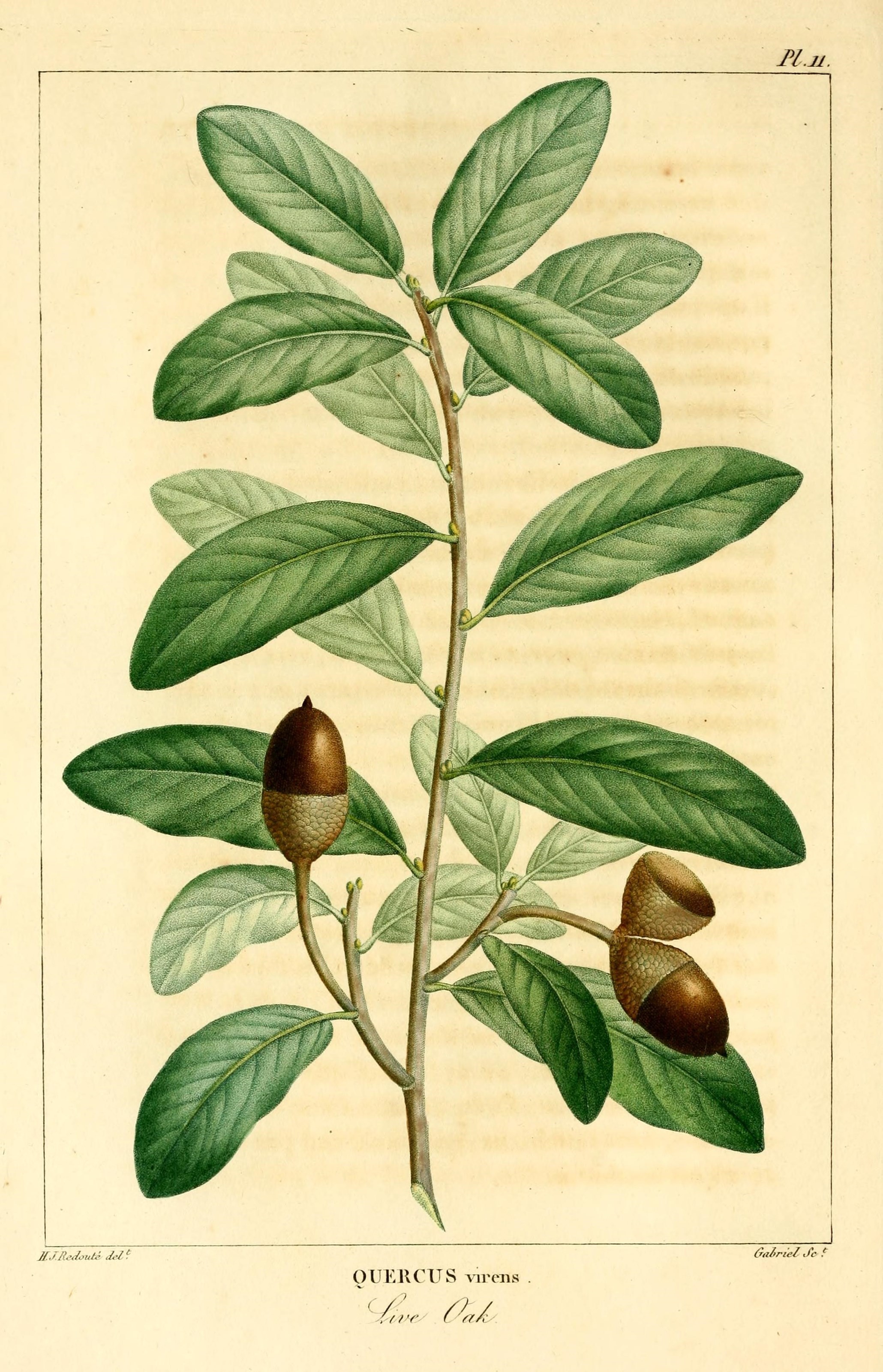
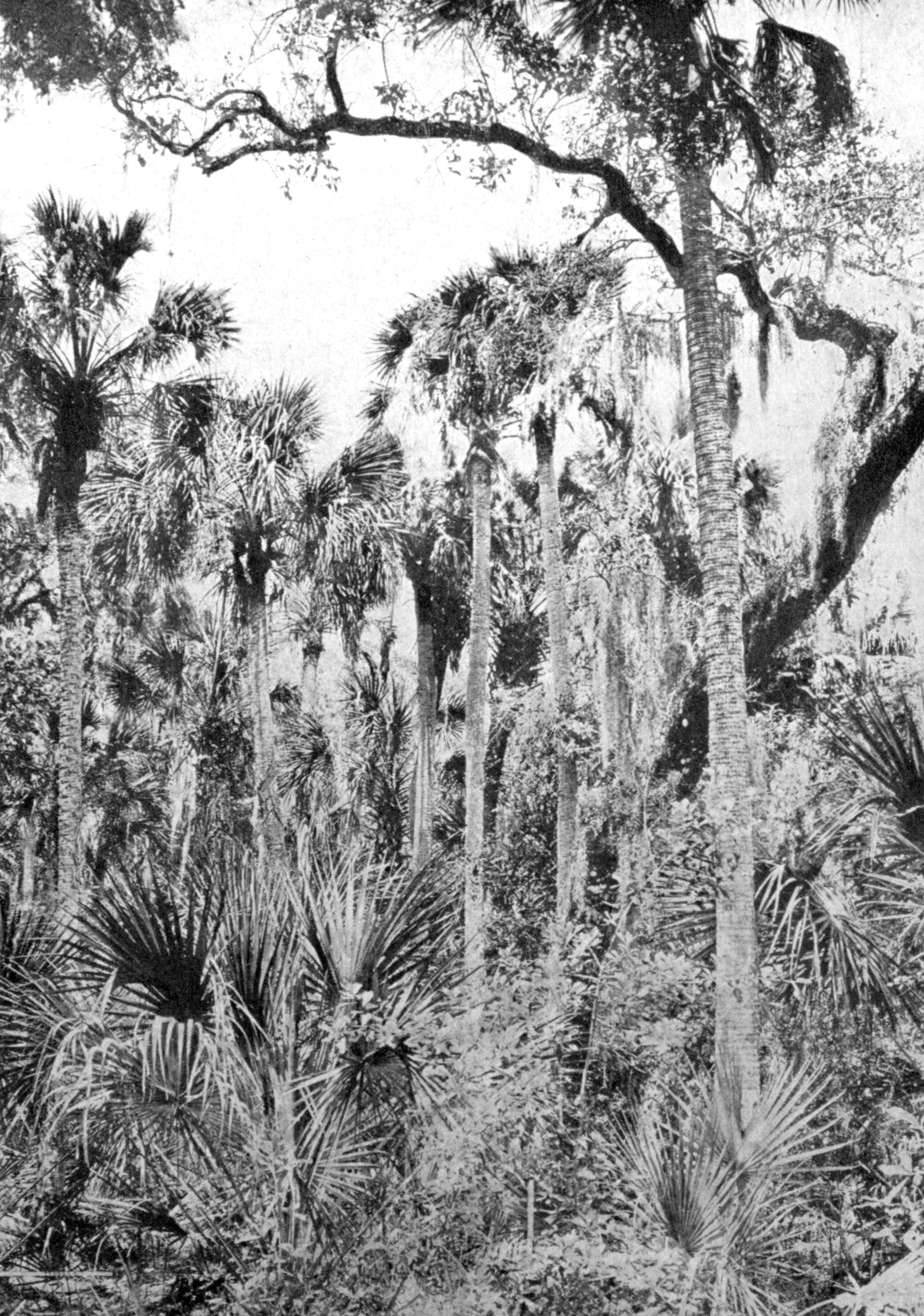
Description: Mature centerpiece tree with broad, spreading canopy providing excellent shade. Small oval evergreen leaves with gray-brown furrowed bark.
Care: Drought-tolerant native. Minimal maintenance required. Supports hundreds of wildlife species.
Notes: ✅ Native keystone species, wind and salt resistant, centuries-long lifespan
Weeping Fig
Ficus benjamina
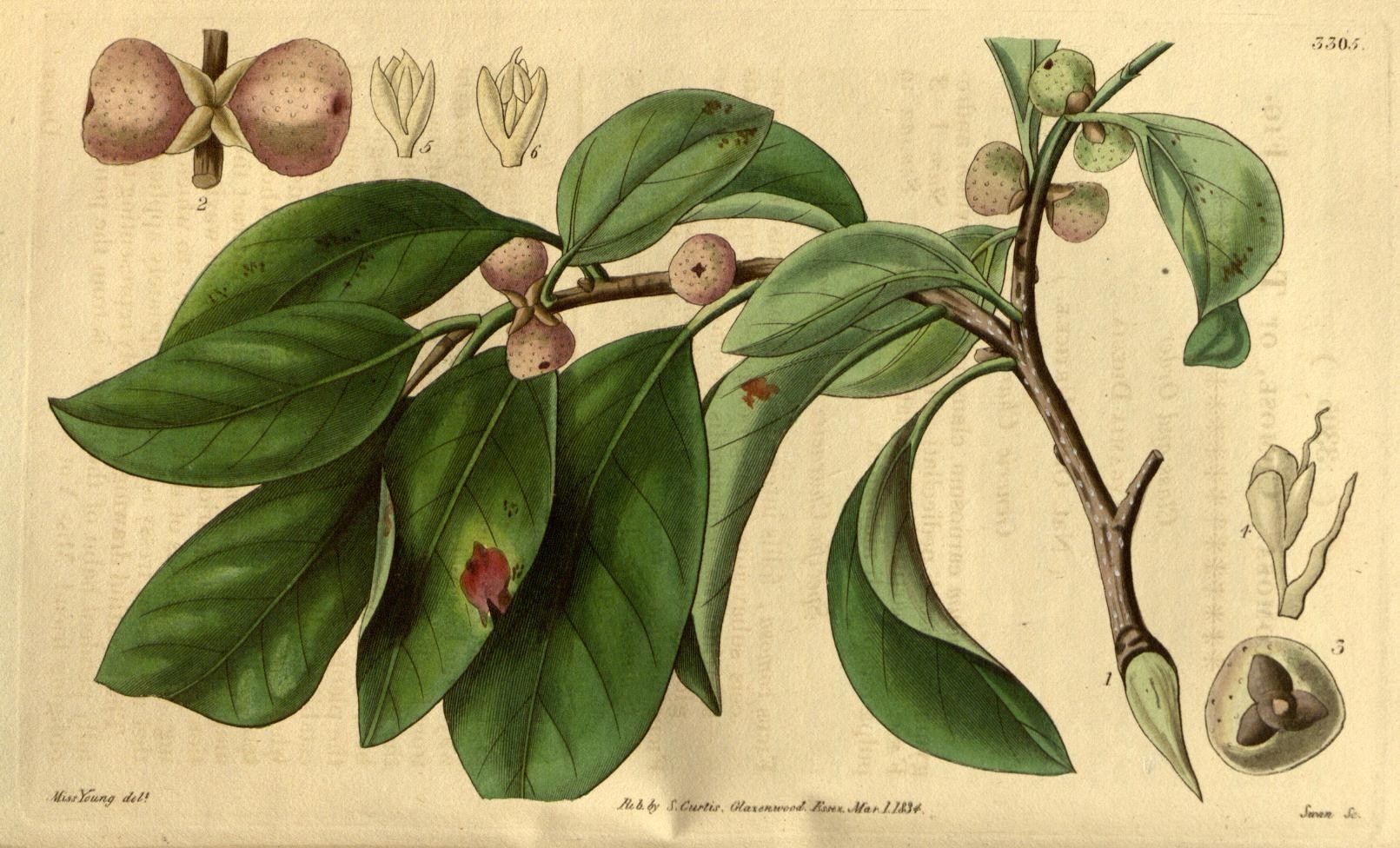
Description: Fast-growing shade tree with glossy, oval pointed leaves. Dense canopy, smooth light gray bark.
Care: Full to partial sun, moderate water, regular pruning needed to control growth.
Notes: ⚠️ Aggressive root system - avoid near foundations or plumbing
Palms
Pygmy Date Palm
Phoenix roebelenii
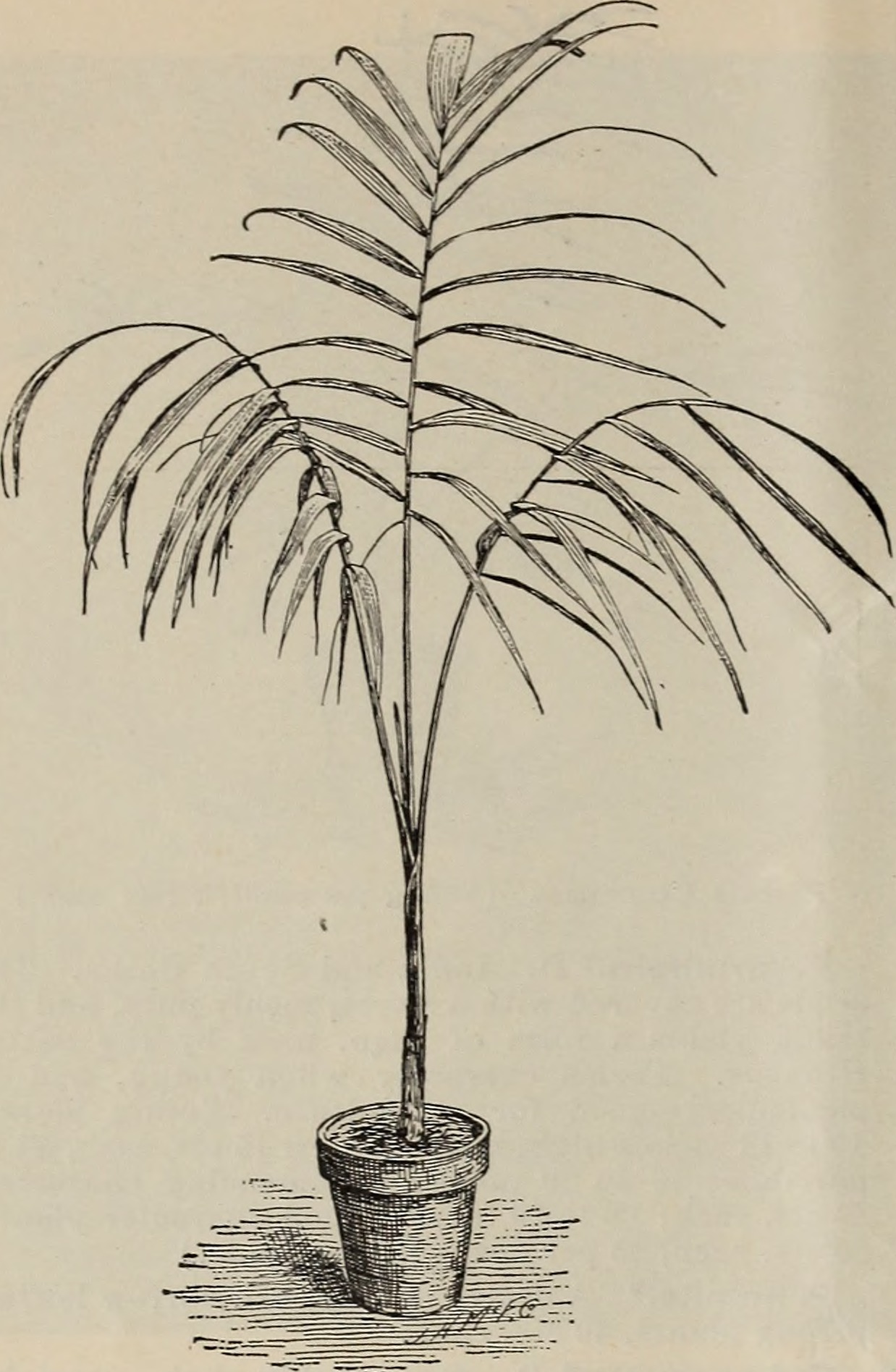
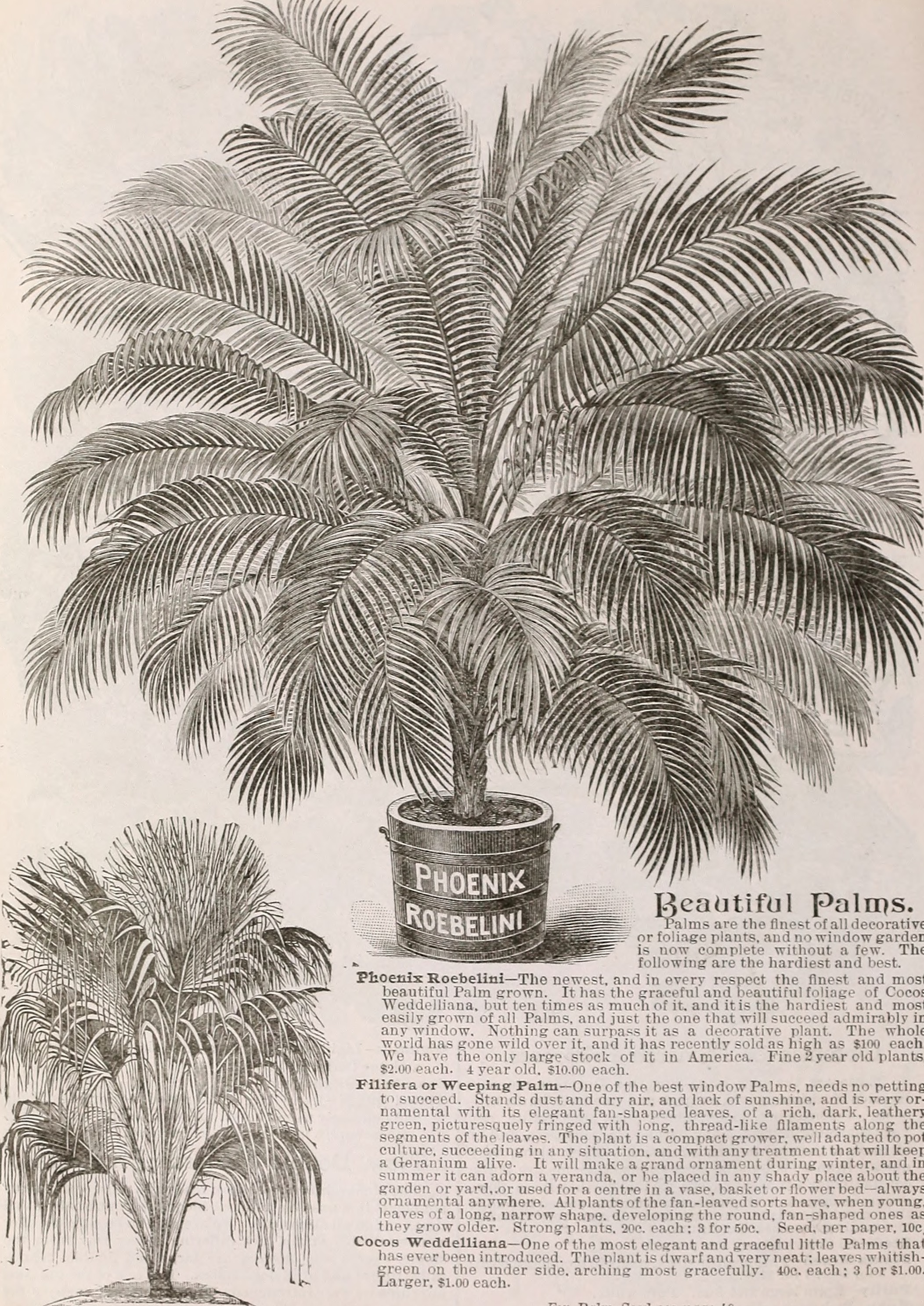
Description: Compact palm with graceful arching fronds and narrow leaflets. Both potted and ground specimens present.
Care: Bright indirect to partial sun, palm-specific fertilizer with magnesium every 3-4 months.
Notes: Sharp spines near frond bases, yellowing lower fronds are normal aging
Ponytail Palm
Beaucarnea recurvata
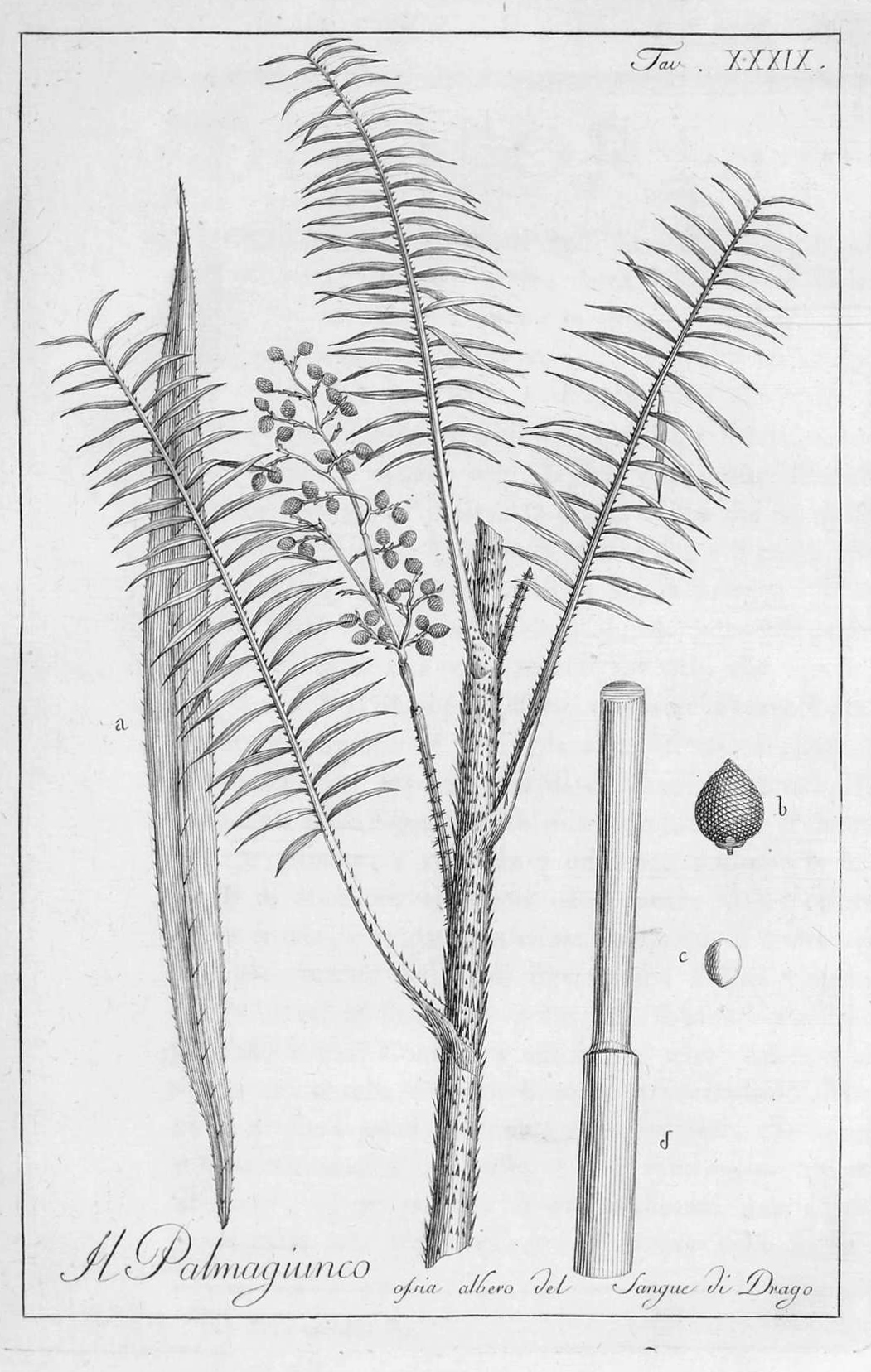
Description: Drought-tolerant ornamental with swollen trunk for water storage and cascading thin leaves.
Care: Full sun, well-draining soil, water sparingly - stores water in trunk.
Notes: Desert plant, very low maintenance, slow-growing
Native Palmettos
Serenoa repens / Sabal palmetto
Description: Native fan palms with stiff fronds along fence line. Mix of low-growing saw palmetto and potential cabbage palm trees.
Care: Drought, salt, and heat tolerant natives. No special care required.
Notes: ✅ Excellent for wildlife, naturally forming coastal hammock ecosystem
Tropical Foliage Plants
Tree Philodendron
Thaumatophyllum bipinnatifidum

Description: Large specimens with deeply lobed glossy leaves, developing trunk-like stems with aerial roots as they mature.
Care: Bright indirect light to partial sun, evenly moist soil, prune older leaves for shape.
Notes: Can reach 10-12 feet tall and wide, self-heading growth pattern
Xanadu Philodendron
Thaumatophyllum xanadu
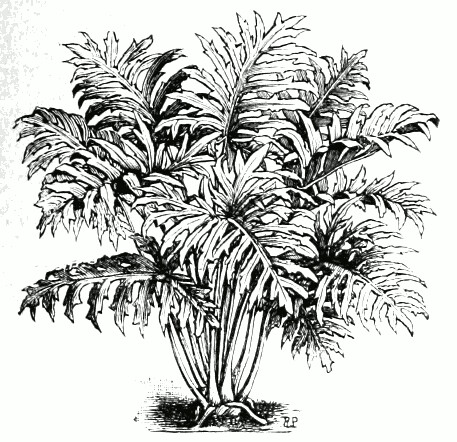
Description: Compact clumping philodendron with smaller, deeply lobed leaves forming dense hedge-like border.
Care: Bright indirect to partial sun, moderate water, excellent for borders.
Notes: Stays 2-4 feet tall, non-vining, sculptural foliage
Elephant Ear
Colocasia esculenta
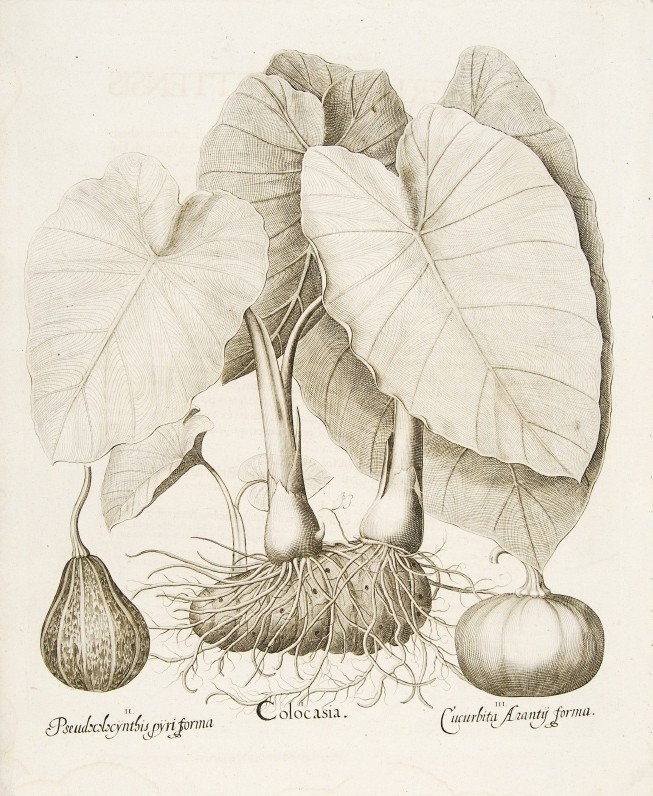
Description: Massive heart-shaped leaves with velvety texture, growing under the Live Oak in moist shade.
Care: Partial sun to bright shade, consistently moist soil, monthly fertilizer in growing season.
Notes: Dies back in winter, regrows from tubers. Contains calcium oxalate crystals
Ti Plant
Cordyline fruticosa
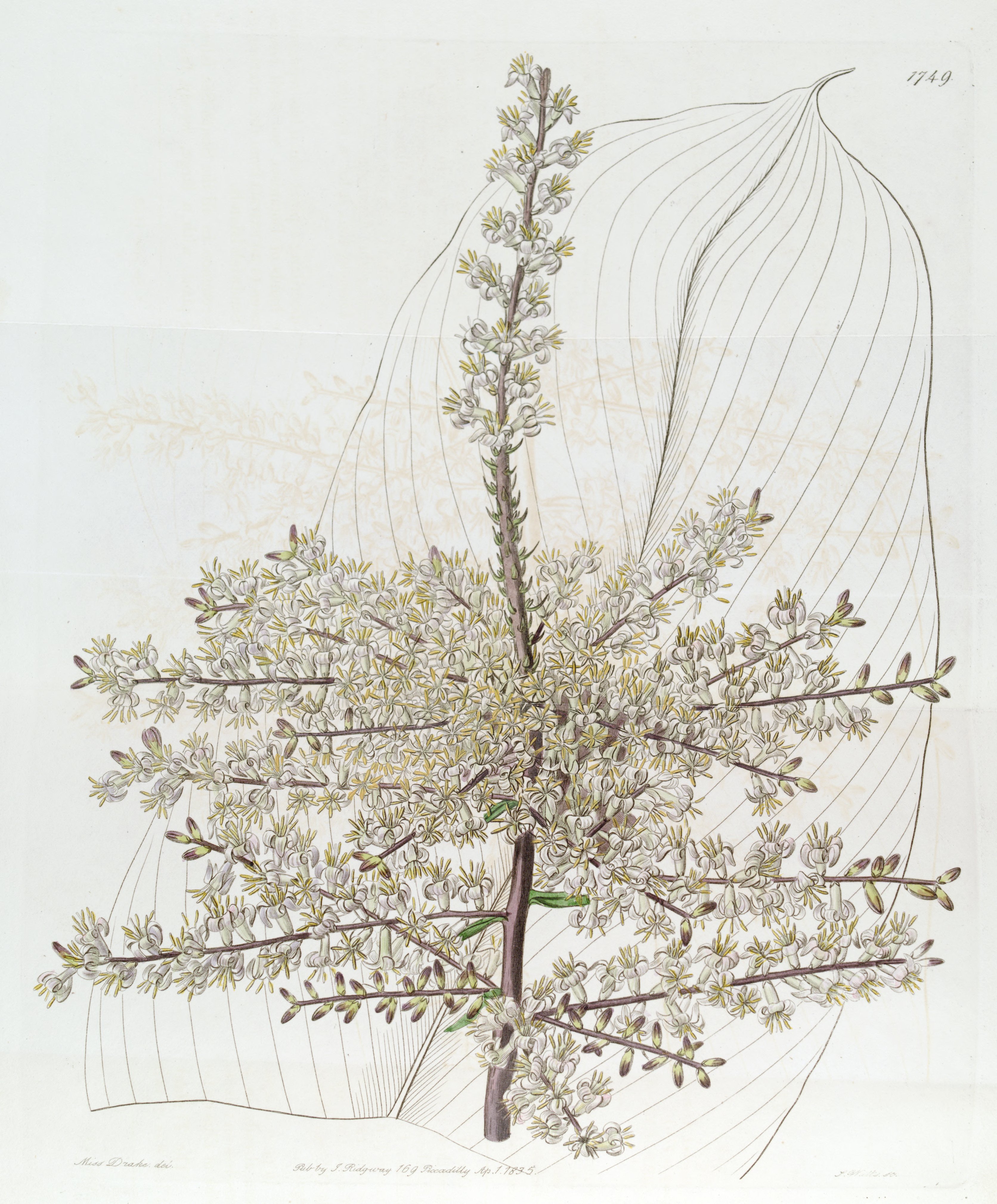
Description: Clumping shrub with sword-shaped leaves in rich burgundy, pink, and green tones.
Care: Bright indirect to partial sun, consistently moist soil, protect from frost.
Notes: Excellent privacy border, can reach 4-8 feet tall
White Bird of Paradise
Strelitzia nicolai
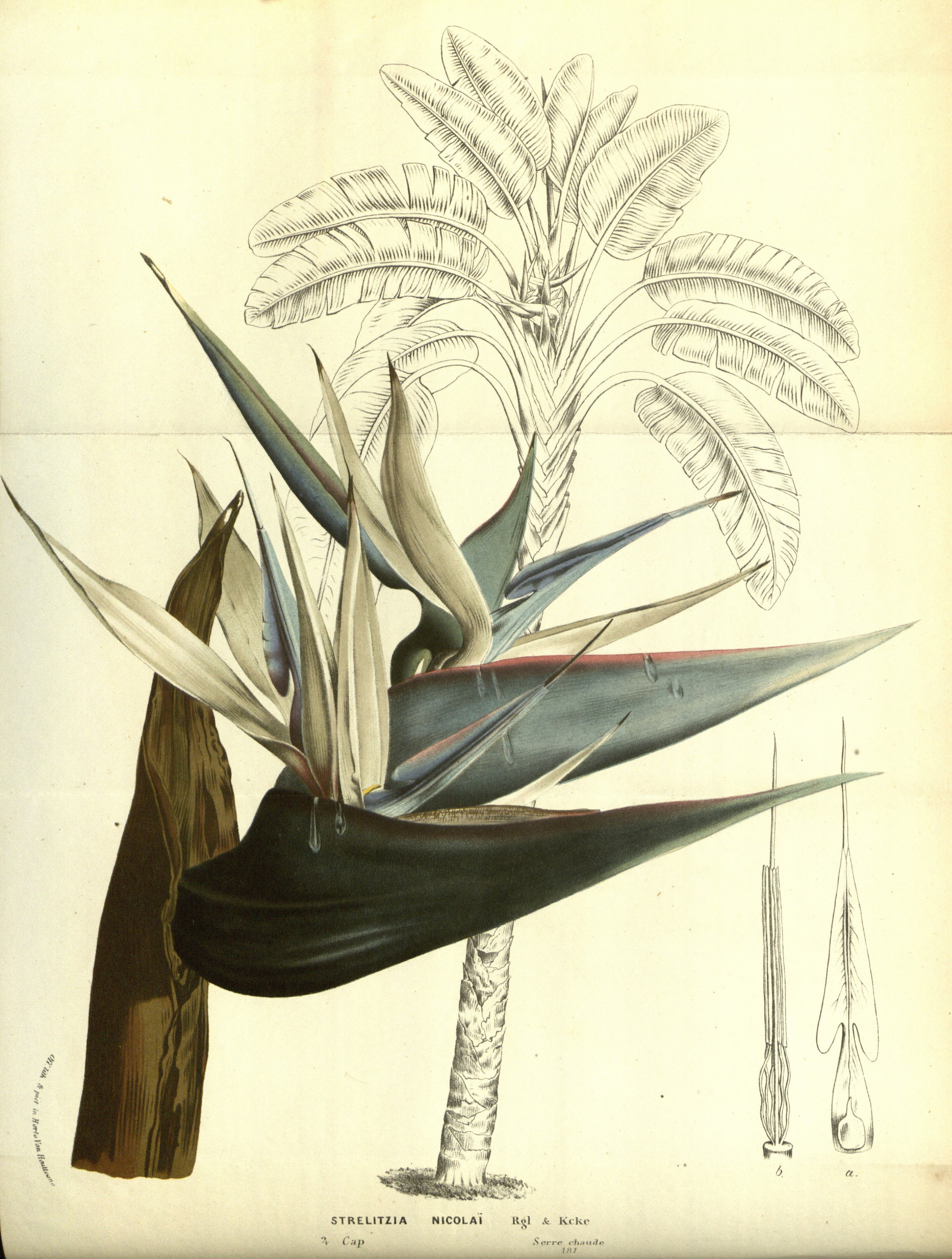
Description: Large banana-like leaves in fan arrangement, forming multiple trunks over time.
Care: Full sun to partial shade, regular watering, monthly fertilizer in growing season.
Notes: Can reach 10-20 feet, white and blue flowers on mature plants
Snake Plant
Dracaena trifasciata
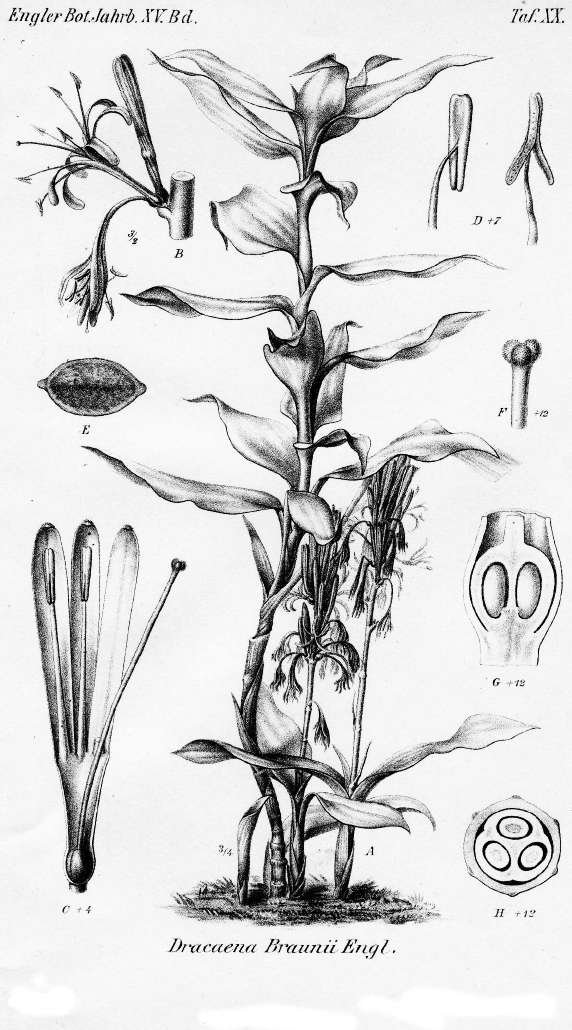
Description: Upright sword-shaped succulent leaves with dark green striping and yellow margins.
Care: Tolerates full sun to deep shade, very drought-tolerant, allow soil to dry completely between waterings.
Notes: Excellent border plant, spreads slowly via rhizomes
Croton
Codiaeum variegatum
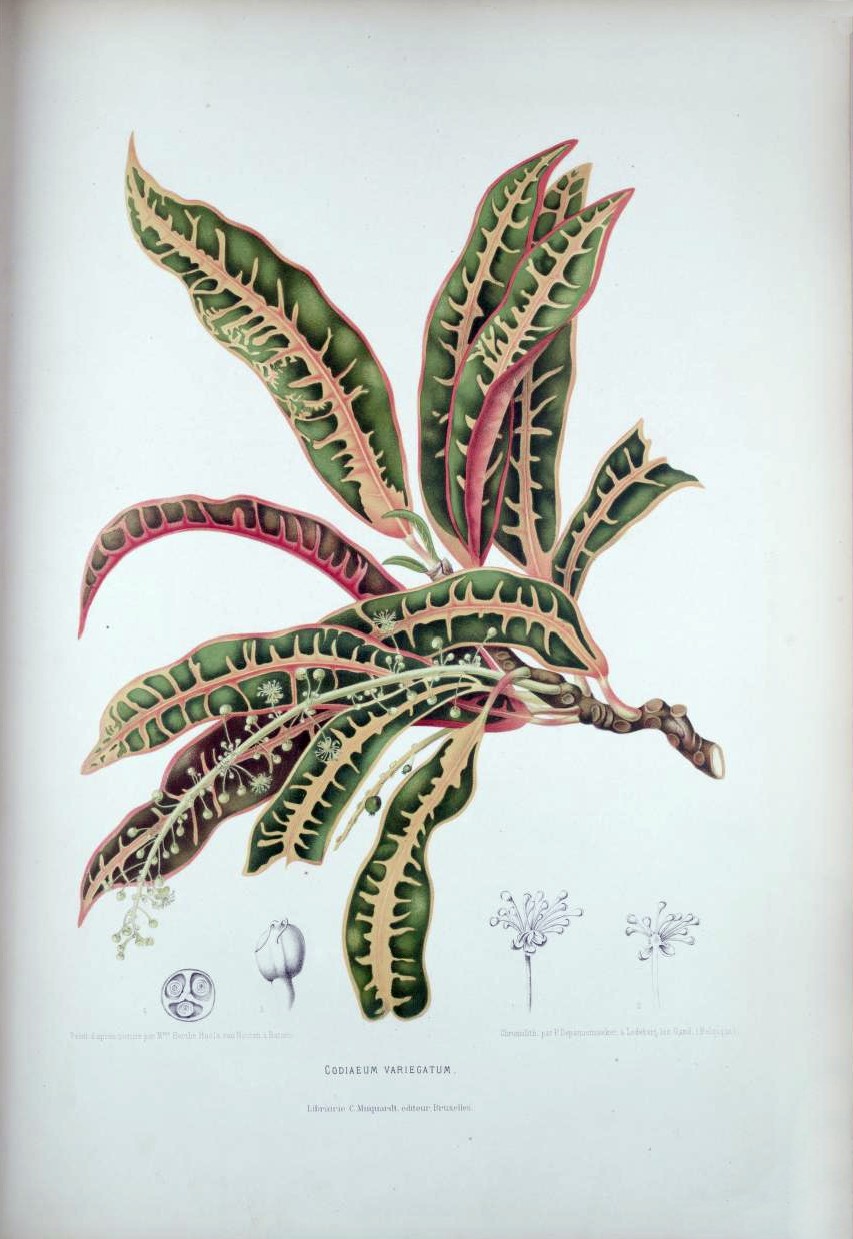
Description: Vibrant variegated foliage in red, orange, yellow, and green. Dense upright growth habit.
Care: Bright sun for best color (4-6 hours daily), consistent moisture, balanced fertilizer every 2-3 months.
Notes: May drop leaves after cold snaps but recovers quickly
Flowering Plants
Plumeria (Frangipani)
Plumeria rubra/obtusa
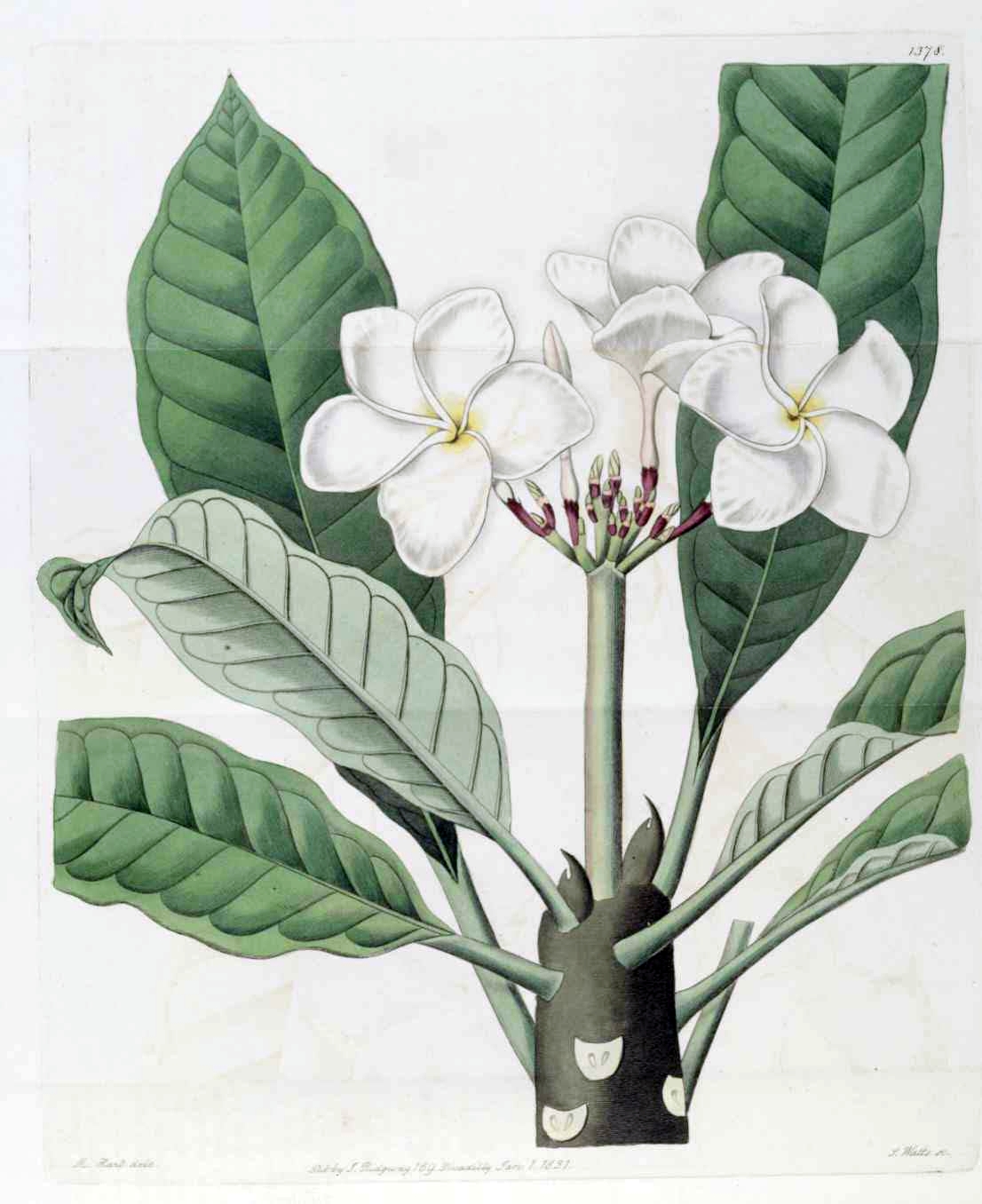
Description: Tropical tree with fragrant flowers and smooth pointed leaves. Drops leaves in winter.
Care: Full sun (6+ hours), well-draining soil, high-phosphorus fertilizer for blooming.
Notes: ⚠️ Milky sap is toxic and can irritate skin. Cover during freezes
Mandevilla (Rocktrumpet)
Mandevilla sanderi
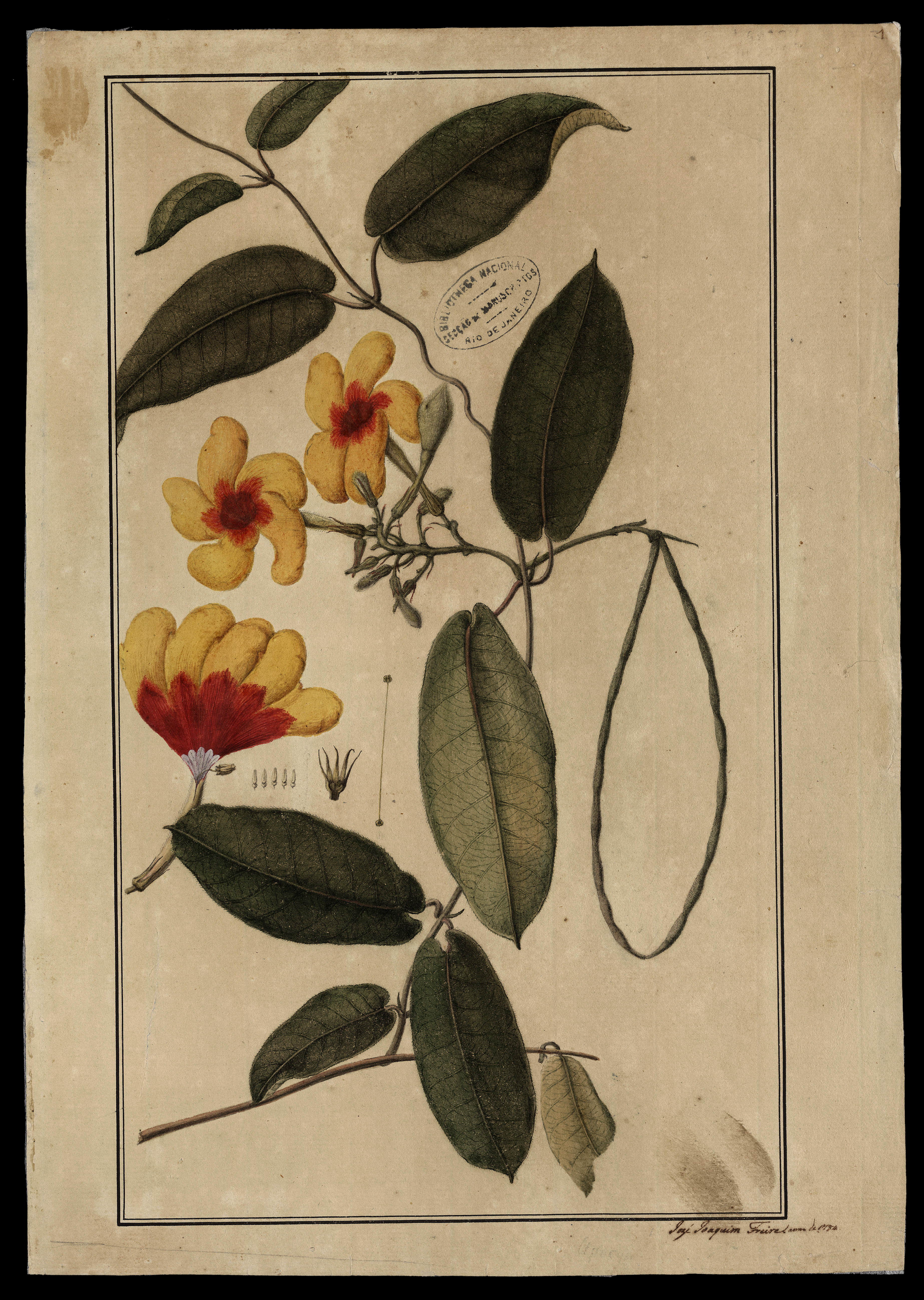
Description: Tropical flowering vine with funnel-shaped pink flowers with yellow throats and glossy oval leaves.
Care: Full sun to partial shade, regular watering, high-phosphorus fertilizer during growing season.
Notes: Not frost-tolerant, protect below 50°F
Oleander
Nerium oleander

Description: Large evergreen shrub with showy pink/red flower clusters and long narrow leathery leaves.
Care: Drought-tolerant, handles salt air, excellent for privacy screens and windbreaks.
Notes: ⚠️ EXTREMELY TOXIC - all parts poisonous if ingested. Wear gloves when pruning
Mexican Petunia
Ruellia simplex
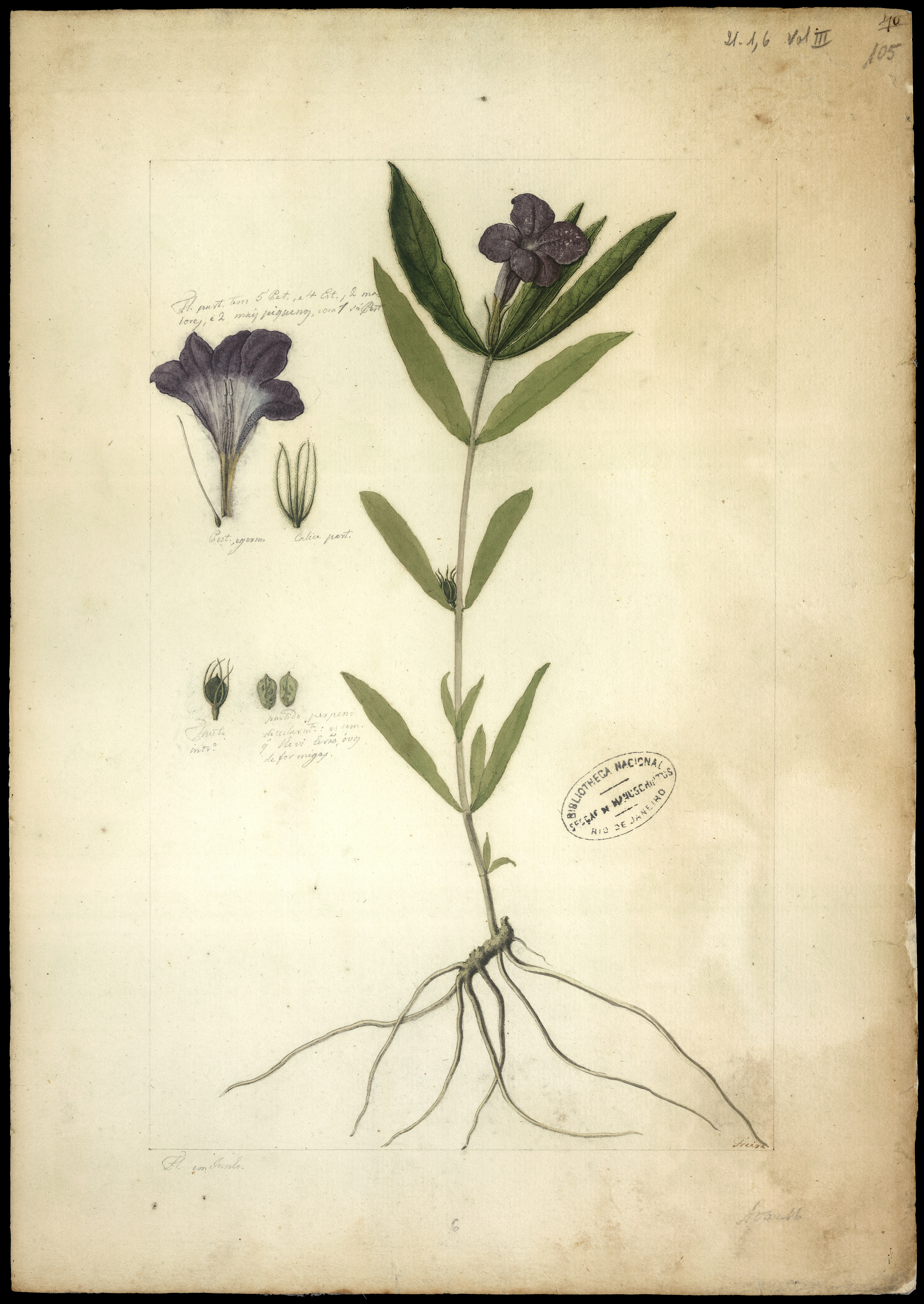
Description: Bright purple trumpet-shaped flowers scattered throughout wild corner area. Grows alongside volunteer native species including Spanish Needles (Bidens alba), purslane, and native grasses.
Care: Full sun, spreads aggressively by seed and roots. Wild corner is self-maintaining.
Notes: ⚠️ Considered invasive in Florida - spreads rapidly. Wild corner forming coastal hammock micro-ecosystem excellent for pollinators and wildlife
Ferns & Ground Cover
Foxtail Fern
Asparagus densiflorus

Description: Bushy ornamental with fine needle-like stems forming soft fronds. Produces small white flowers and red berries.
Care: Bright indirect light to partial sun, slightly moist soil, well-draining mix.
Notes: Not a true fern - related to asparagus. Mildly toxic to pets
Ormond Beach Care Guide
Climate & Conditions
- USDA Zone: 9b - Coastal Central Florida
- Soil Type: Sandy, well-draining
- Climate: Subtropical with salt air exposure
- Growing Season: Year-round with winter dormancy for some species
General Care Tips
- Watering: Most plants benefit from morning watering with afternoon shade
- Cold Protection: Protect tender tropicals when temps drop below 40°F
- Hurricane Season: Prune dead fronds and branches before storm season
- Salt Tolerance: Choose salt-tolerant species for exposed coastal areas
Seasonal Calendar
- Spring (Mar-May): Fertilize, prune, plant new specimens
- Summer (Jun-Aug): Regular watering, monitor for pests
- Fall (Sep-Nov): Reduce watering, prepare for cooler weather
- Winter (Dec-Feb): Minimal watering, protect from cold snaps